
Return to Tourism: Reflections on Sustainability in the Algarve
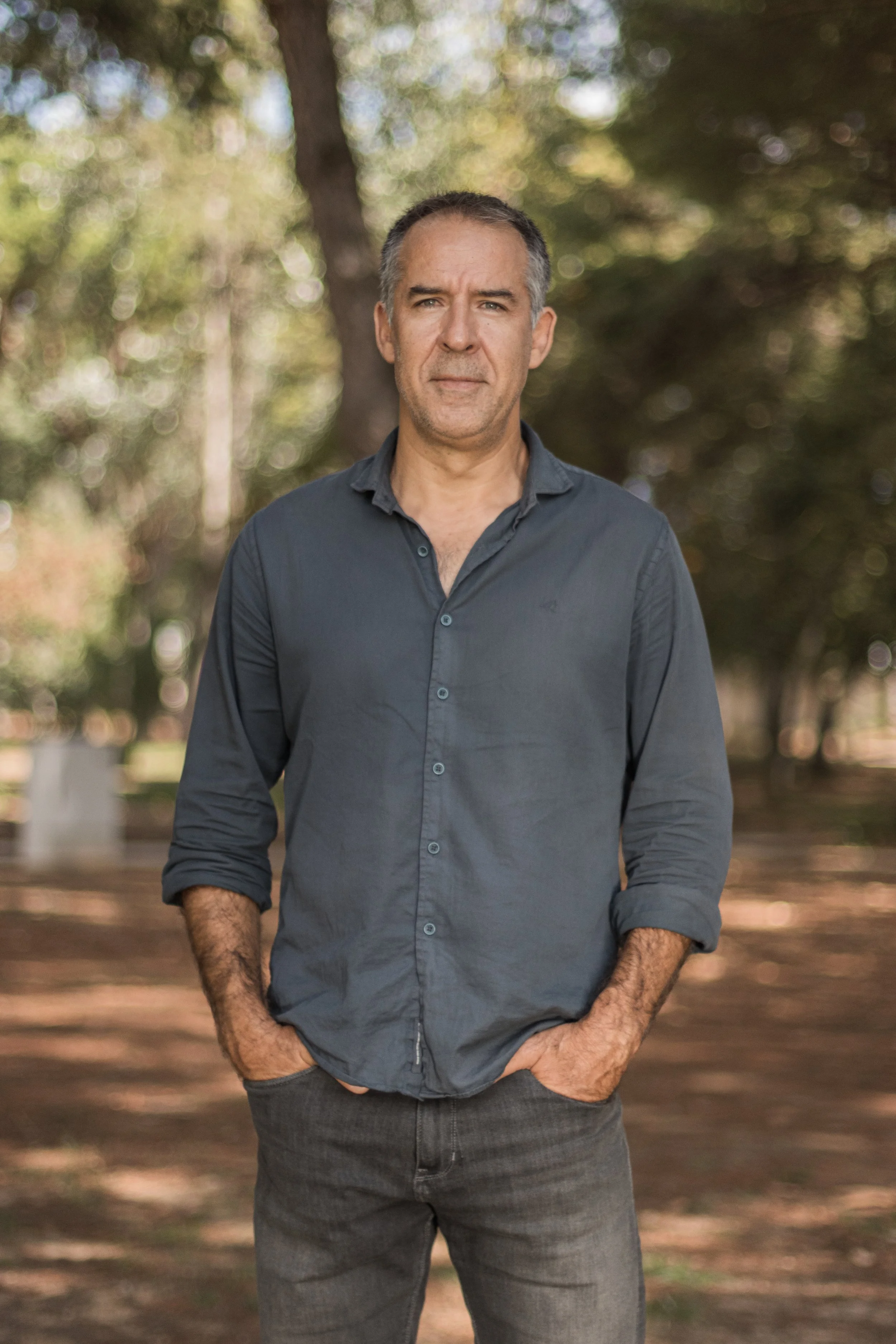
João Ministro, CEO, Proactivetur
“At some point, we have all come across the term sustainability – its meaning and its forms of application. But we are still far, as consumers and especially as promoters, from integrating the dimensions of sustainability into tourism activities”
The return to tourism — such a special topic in the Algarve and often the subject of various reflections regarding its future. Once again, I address the sustainability aspect which, as we know – or should know – is a decisive factor in guaranteeing the future of this activity. The term has definitively entered the tourism vocabulary, often without a true understanding of its meaning or the urgency of its integration. However, good examples are beginning to emerge that seek to internalize this key concept across the multiple dimensions of tourism operations. There is still much to be done — and urgently. Let’s look at a few notes on this.
1. Sustainability: Recognition vs. Real Integration
At some point, we have all come across the term sustainability – its meaning and its forms of application. But we are still far, as consumers and especially as promoters, from integrating the dimensions of sustainability into tourism activities.
A recent study developed by professor and researcher Xavier Font and other colleagues, analyzed customer perception of sustainability performance in accommodation through “eco-reviews” recorded on Booking.com and Expedia. The findings show that the majority of customer reviews are based on overall satisfaction with their stay, not on the sustainability practices of the accommodation. In other words, little has been achieved in terms of sustainability perception among guests.
The study suggests that certifications and “self-reports” have little impact. This means that changes are needed in the way sustainability is applied, integrated, and communicated in accommodations. Simply framing certification seals and logos at the reception desk is not enough.
2. Overtourism: Impacts and the Need for Management
News about excessive tourism and the impacts of so-called “overtourism” – or mass tourism – is becoming increasingly common, even if only in specific places. The relationship between tourism and the quality of life of local communities has also received growing attention.
The recent study conducted by the Manuel dos Santos Foundation within the “Tourism Barometer” reveals some negative perceptions among residents in the most visited and heavily used areas. Regardless of the causes or nature of the activity, one thing is clear: management is essential. This may involve regulation, imposing limitations or reductions, or even dispersion strategies. And this, let us be clear, requires municipal — and even regional — planning. But does it exist?
3. The Importance of Qualification Over New Products
I recently had the opportunity to participate in an international conference promoted by the University of Algarve, focused on Sport and Tourism, where various topics were discussed. My contribution naturally focused on nature tourism and outdoor activities, with an emphasis on quality, a topic I have also shared in other forums.
It is essential to invest more and more in qualification, instead of constantly creating new products, new infrastructures, or increasing promotion. This does not mean we should stop these actions entirely — not at all. It simply means that the focus must increasingly shift toward quality: better training for tourism professionals, better territorial management, improved existing infrastructure — not necessarily new ones — better coordination between stakeholders, better use of local resources, and stronger sustainability practices, among others.
4. Monitoring Tourism Activity: What Are We Really Measuring?
Related to the previous point, it is crucial to effectively monitor tourism activity in the region. In this regard, I highlight the difference between what is measured by the Sustainable Tourism Observatory in the Algarve and the one in Centro de Portugal.
While “ours” still focuses on traditional indicators such as arrivals and overnight stays, with a very academic approach, the Centro observatory measures Active Tourism with raw data on hiking and cycle tourism — by routes and localities. Clearly, these are very different approaches to the crucial task of understanding what truly happens in the territory.
An increasingly relevant aspect in the debate around the tourism industry is the need for stronger involvement of local communities in decision-making and management processes. But on that, I will speak another time.